
By Ryan Leeds
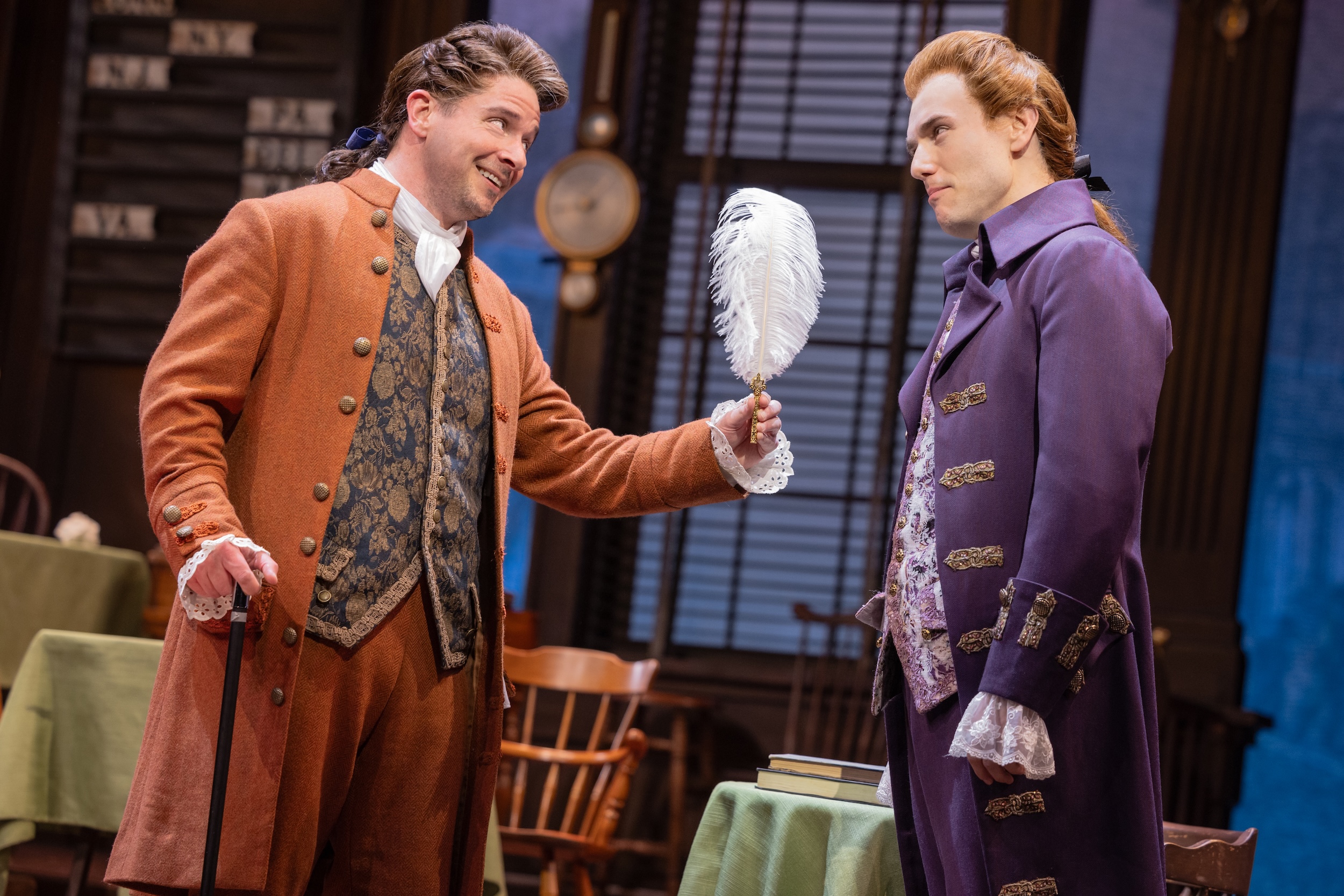
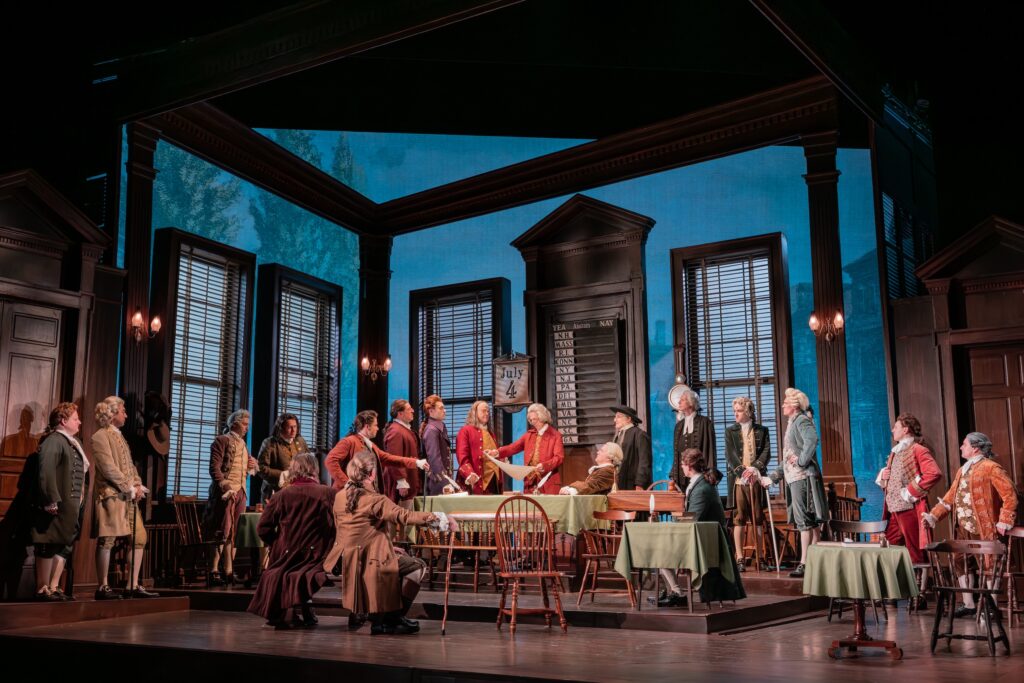
Could jazz hands and spirit fingers be the cure for our current political malaise? It seemed to work for a group of delegates during the American Revolution as they passionately argued for freedom from British rule. At least that’s how the writing of the Declaration of Independence is portrayed in the musical 1776.
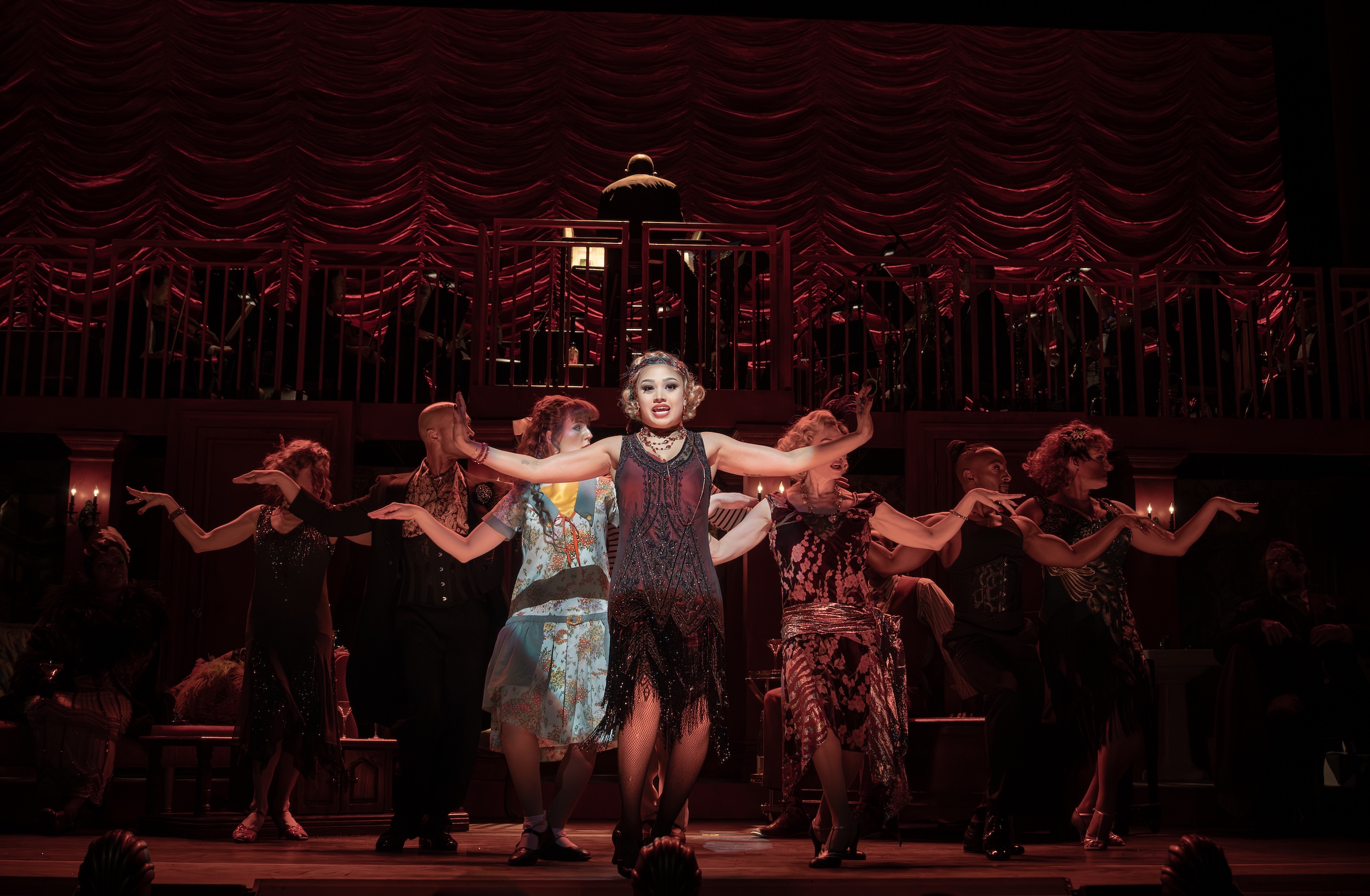
In the song “Cool, Cool Considerate Men,” John Dickinson (Edward Watts), one of the wealthiest politicians from Pennsylvania, joins his fellow conservatives in defending the royal crown, while also flaunting their own wealth and privilege.
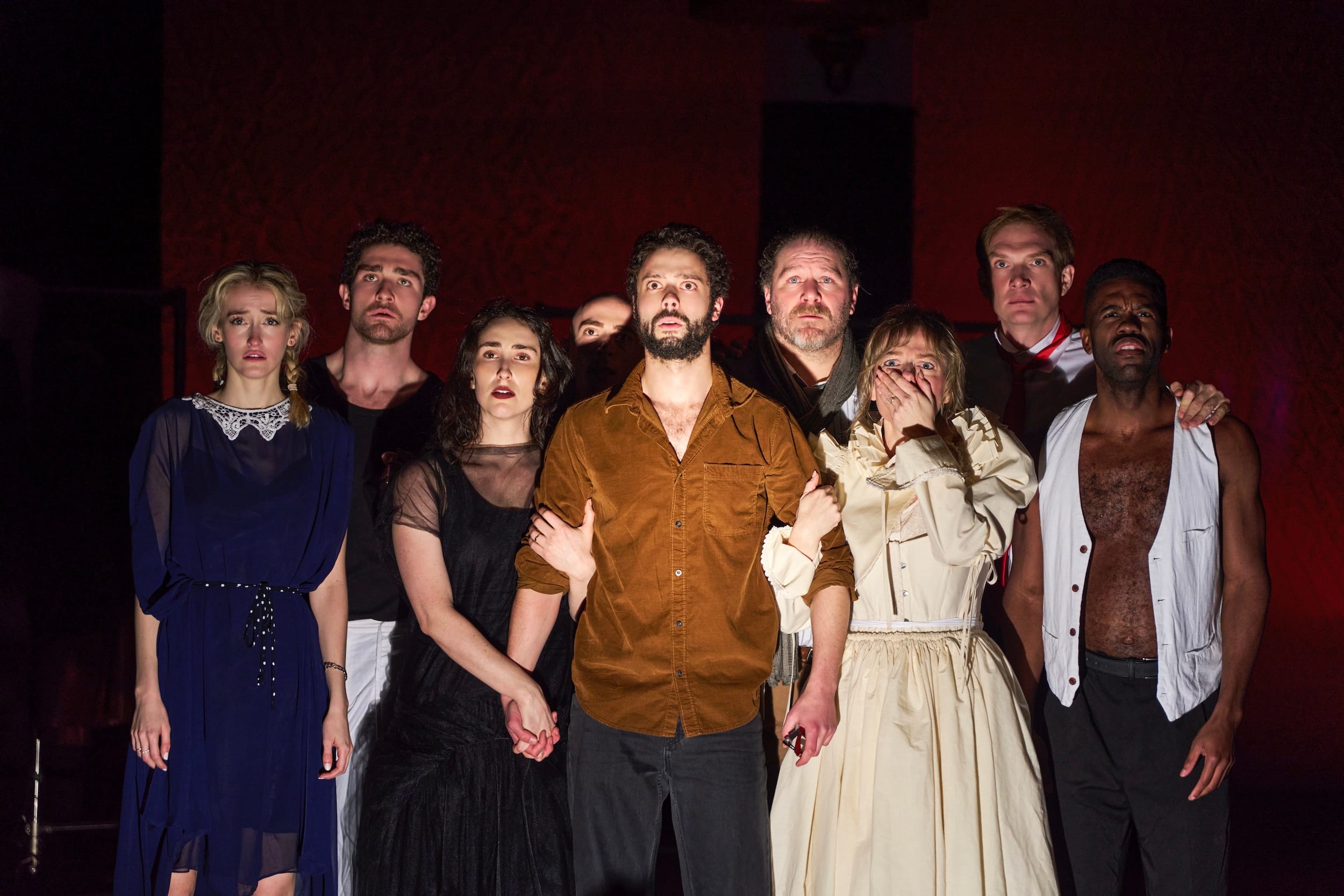
“Most men with nothing would rather protect the possibility of becoming rich than face the reality of being poor and that is why they will follow us to the right,” Dickinson arrogantly tells them mid-song, followed by a tableau that rivals Disney’s Hall of Presidents. Fortunately, enough other delegates were persuaded to sign.
250 years later, the arguments sound familiar
As America celebrates its semiquincentennial (250th Independence Day) this July, 1776 feels alarmingly and painfully contemporary, even if the sense of urgency to gain independence, at times, feels a bit long. If one wonders how politics have become so fractured, they needn’t look any further to realize that they have always been this way. Still, the American experiment continues.
Director Mark S. Hoebee helms a solid production for Paper Mill Playhouse, one of several regional theaters producing the Tony-winning musical this year.
Will Blum (John Adams) and Michael Burrell (Thomas Jefferson) lead the company as the document’s chief architects. Together with a stately cast, they illuminate history as interpreted by bookwriter Peter Stone and composer Sherman Edwards.
Other standouts include Elena Shaddow’s Abigail Adams, who gives the piece a much-needed shift from the testosterone-laden activities in the sweltering Pennsylvania State House. Shaddow has a glorious voice and grounds the production with solid, tender reason. Jonathan Young as South Carolina’s Edward Rutledge delivers a vocally powerful and biting commentary on the North’s hypocrisy of the slave trade in “Molasses to Rum.”
Inevitably, the delegates bicker, delay, and compromise. But so do we. Nearly 250 years later, we’re still at the table, sometimes with a song.
Is ‘1776’ at Paper Mill Playhouse worth seeing?
4 out of 5 stars

Paper Mill’s 1776 won’t heal today’s fractured politics, but it makes a rousing, occasionally slow, and ultimately stirring case that we’ve always found a way through.
- Paper Mill Playhouse, 22 Brookside Drive, Millburn, NJ
- Notable performers: Will Blum, Michael Burrell, Elena Shaddow, Jonathan Young
- Running time: Two hours and 40 minutes, including one intermission
- Performances through May 2, 2026

It wants better content.
Have another minute?
Broadway – With a dip and a fan clack, ‘Cats: The Jellicle Ball’ pounces back to Broadway
Books – From Jay-Z to Springsteen: 5 musician memoirs & where to see them perform live
Take 5 – What the stars say about Broadway’s biggest spring openings









Leave a Reply