
By Jude Cramer
Land acknowledgments have become ubiquitous—and increasingly hollow. From concerts to museum galas, speakers recite the names of displaced tribes before moving swiftly on to the evening’s program. The gesture, meant to honor Indigenous peoples, has too often become a box to check: a way for institutions to signal awareness without committing to action.
I know the feeling firsthand. At my college orientation, I heard a land acknowledgment for the first time: a script I’d witness repeated at every lecture, concert, and student production for four years. Each time, it rang a little emptier, especially when speakers droned through their script or stumbled over tribal names. It felt like a Band-Aid on a broken arm: an acknowledgment, sure, but did it actually offer reparation or prompt dialogue? Or was it just a way to lessen Colonial guilt and move on?

It wants better content.
From acknowledgment to action
!["Devil Fish," 1972. Alec (Peter) Aliknak Banksland (Inuit [Ulukhaktok, Northwest Territories, Canada], 1928–1998). The Cleveland Museum of Art, The Harold T. Clark Educational Extension Fund.](https://1minutecritic.com/wp-content/uploads/2026/02/1972.1054-1024x687.jpg)
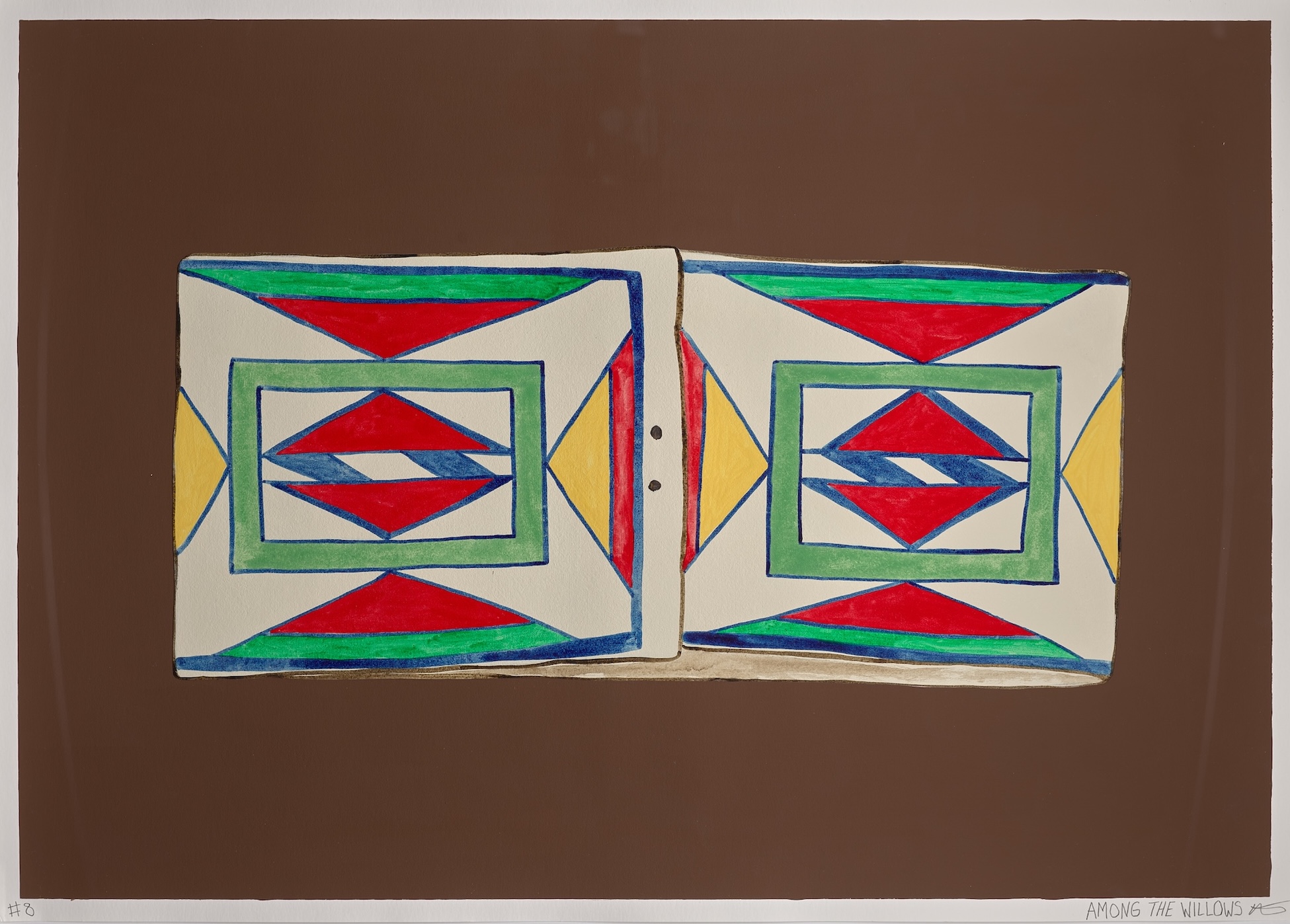
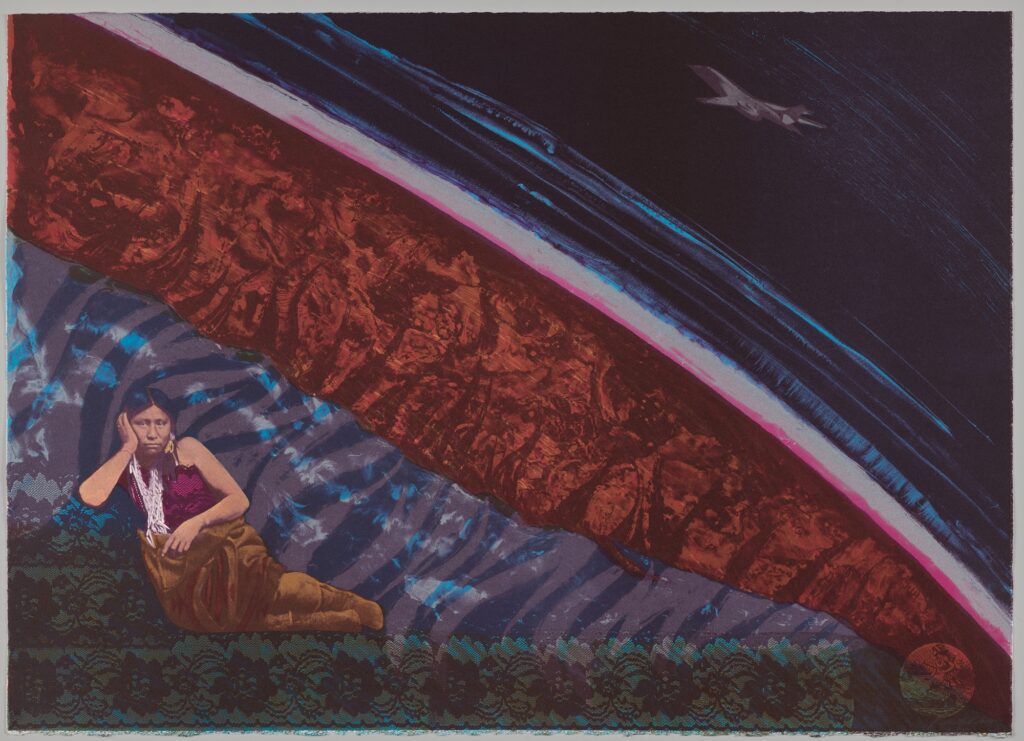
Land acknowledgments are meant to be a beginning, not the final stage, in honoring and uplifting Indigenous communities. The Cleveland Museum of Art is showing what a further step can look like through its newest exhibition, still/emerging: Native American Works on Paper, the museum’s first showcase of its collection of prints and drawings by Native American artists.
RELATED
Can fabric and collage dismantle colonial history? Firelei Báez makes a breathtaking case
CMA adopted a land acknowledgment in 2022, and four years later, it is turning that gesture into a tangible experience for museum visitors. still/emerging, which takes its title from a work by Diné poet Kinsale Drake, features more than 50 pieces by Indigenous artists from the 1950s to the present. The exhibition represents diverse tribal backgrounds and artistic techniques, from woodcutting to lithography to pencil drawings. Call it a blueprint for institutions everywhere: less script-reading, more wall space.
Fast facts: ‘still/emerging’ at CMA
With 50+ works spanning seven decades of Native American printmaking and drawing, still/emerging is CMA’s most significant commitment yet to moving beyond land acknowledgment and onto gallery walls.
- The Cleveland Museum of Art, 11150 East Boulevard, Cleveland
- Through June 7, 2026











Leave a Reply