
By Bobby McGuire
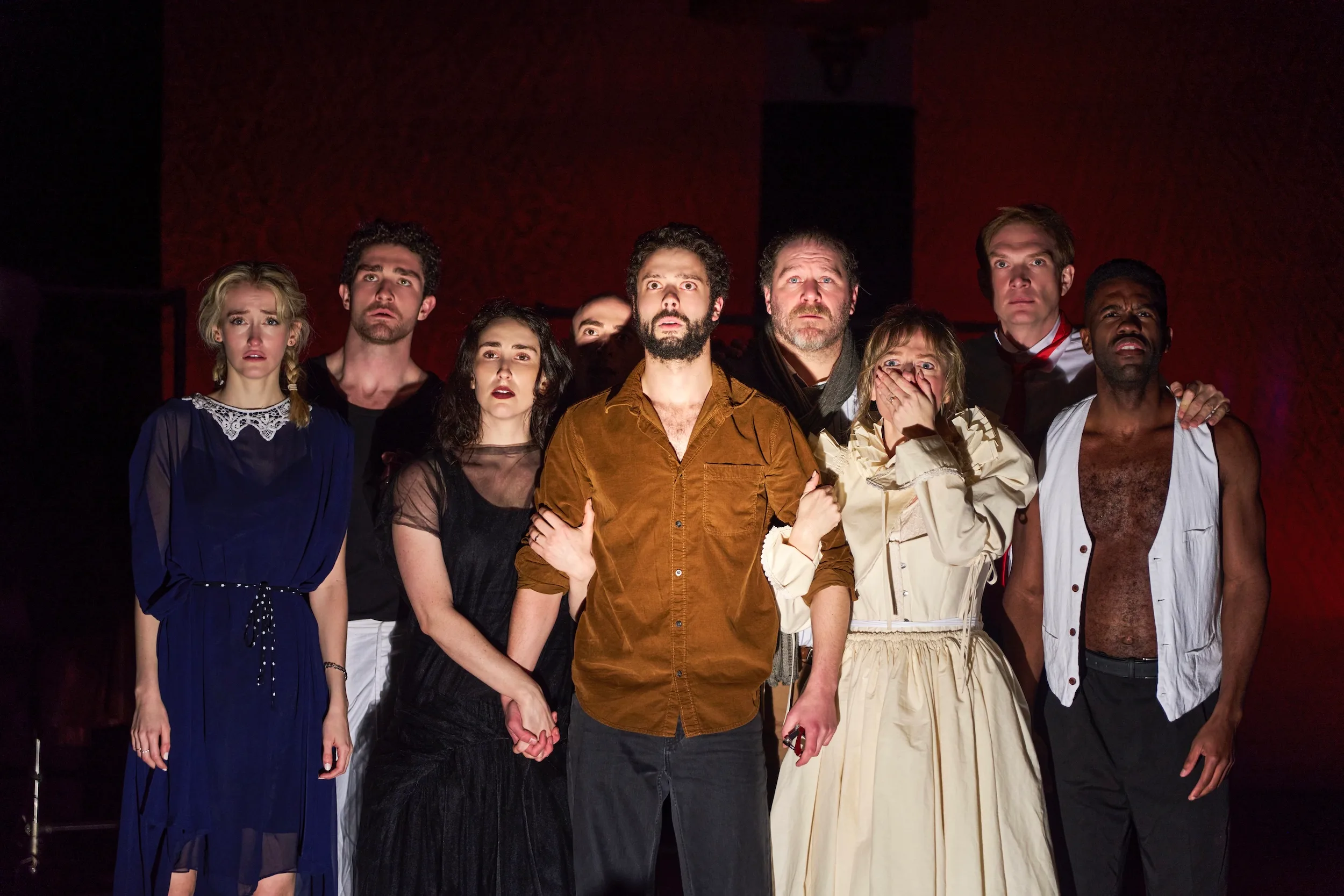
You think you have problems? Try being a director whose production of The Seagull gets you blacklisted by The Kremlin, forces you to flee Russia, and lands you in Bushwick, where your American producer has eyes for your girlfriend, and your overly sensitive actors want to censor you. That’s the gloriously messy predicament at the heart of Seagull: True Story.
Inspired and directed by internationally acclaimed theatermaker Alexander Molochnikov’s real-life experience and written by Eli Rarey, Seagull: True Story follows the aftermath of wunderkind director Kon’s (an engaging Eric Tabach) avant-garde staging of Anton Chekhov’s famed 1895 play.
When ‘The Seagull’ becomes a liability
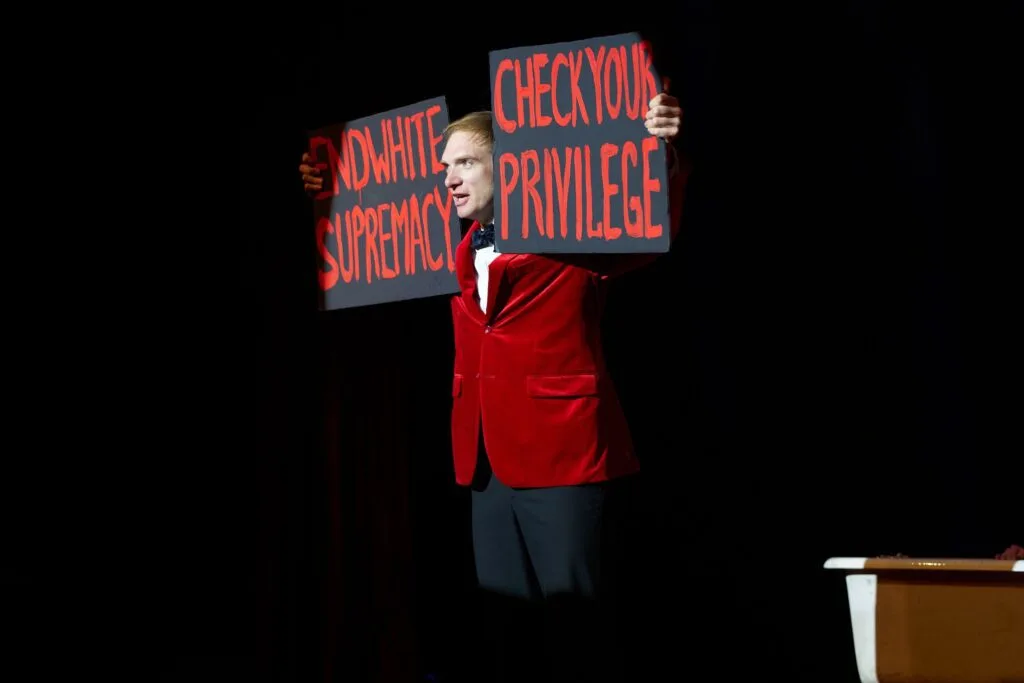
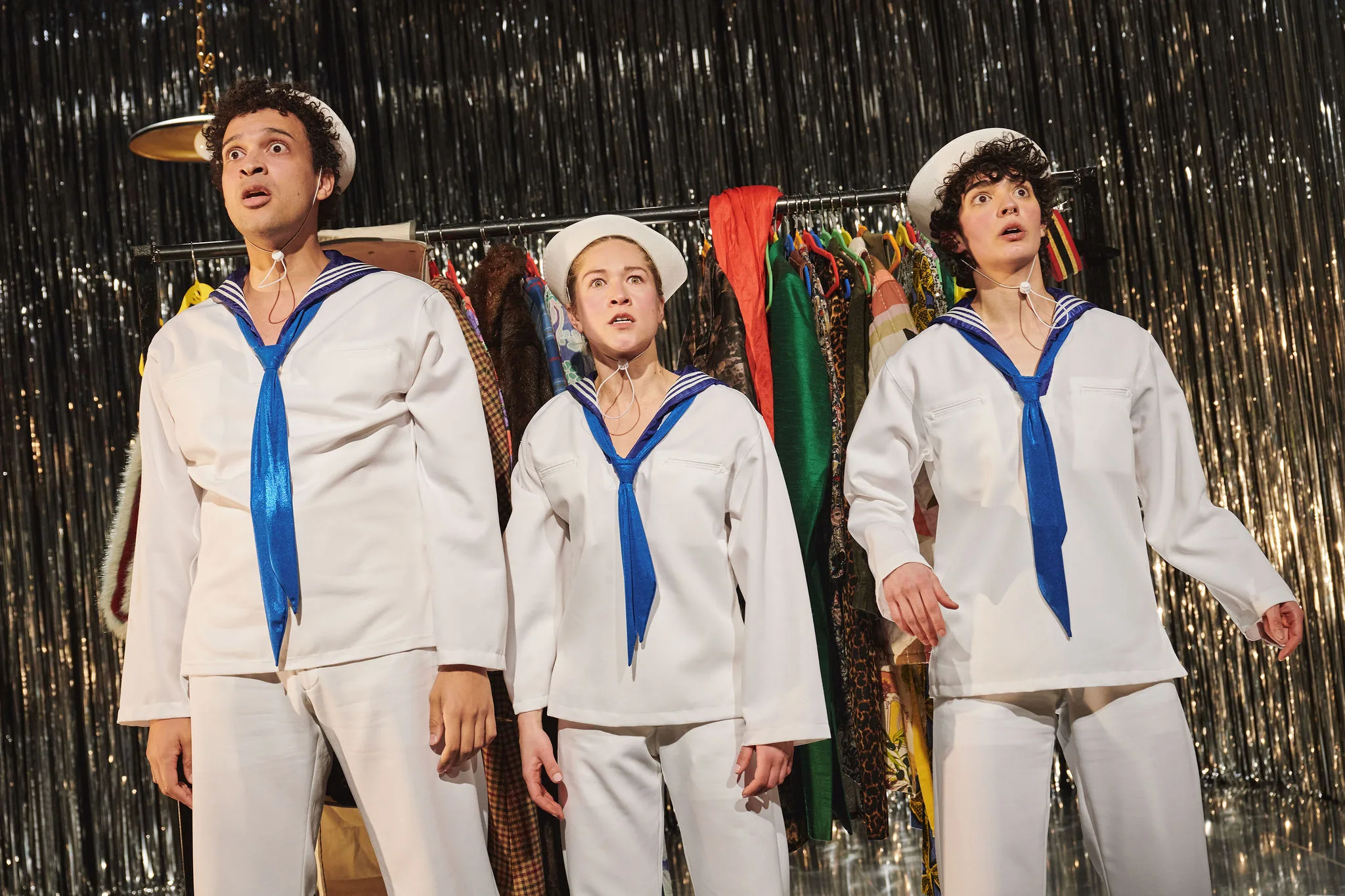
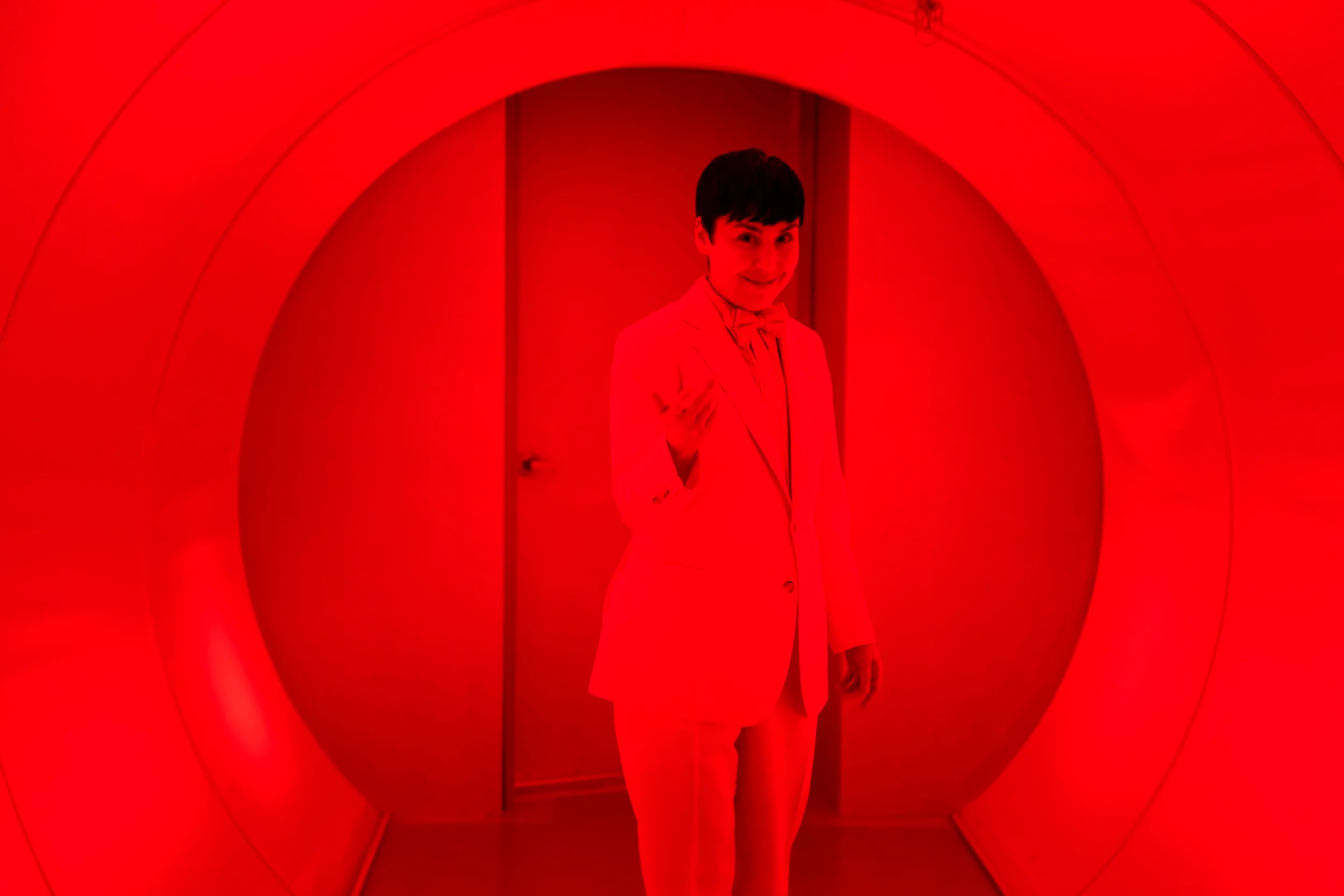
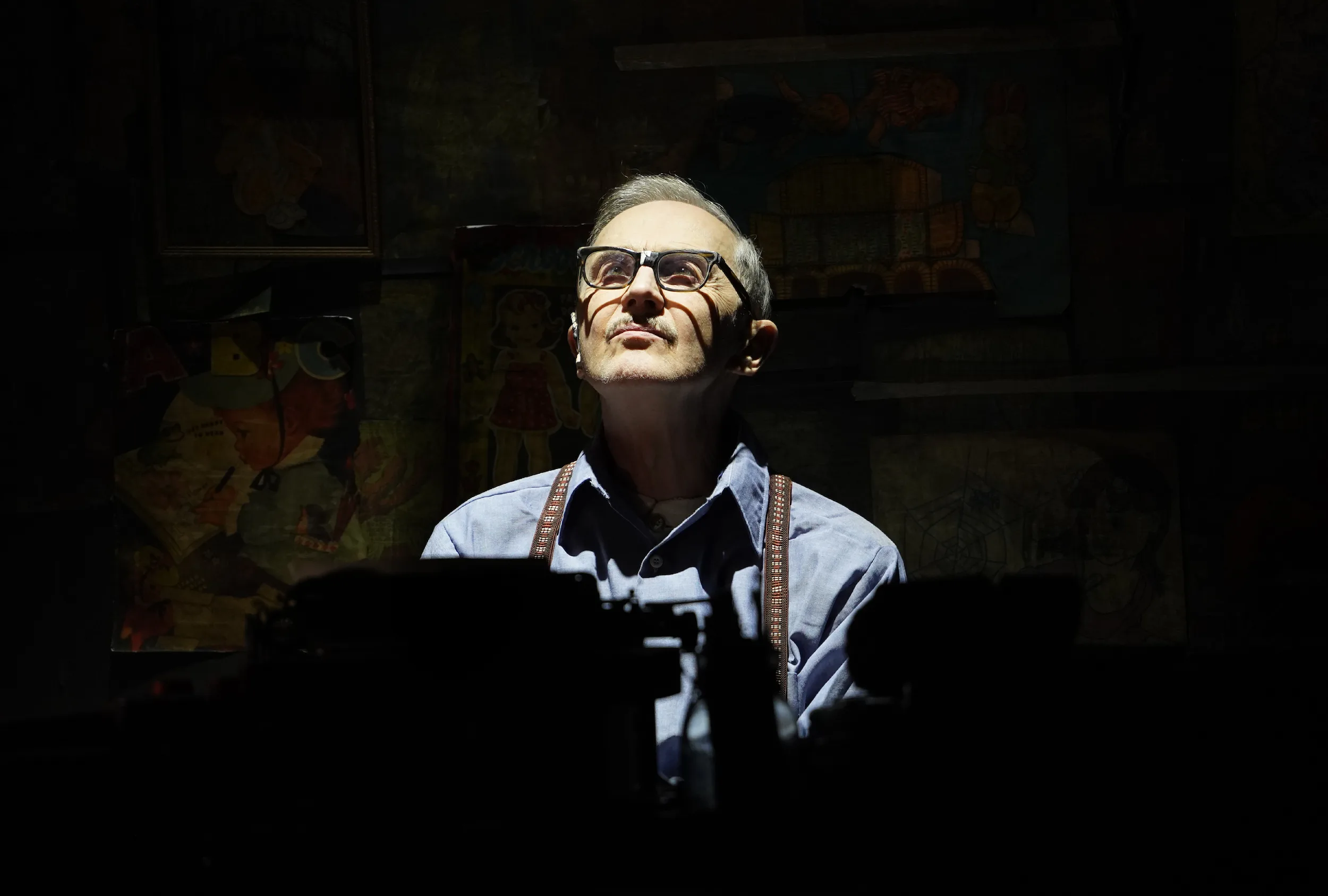
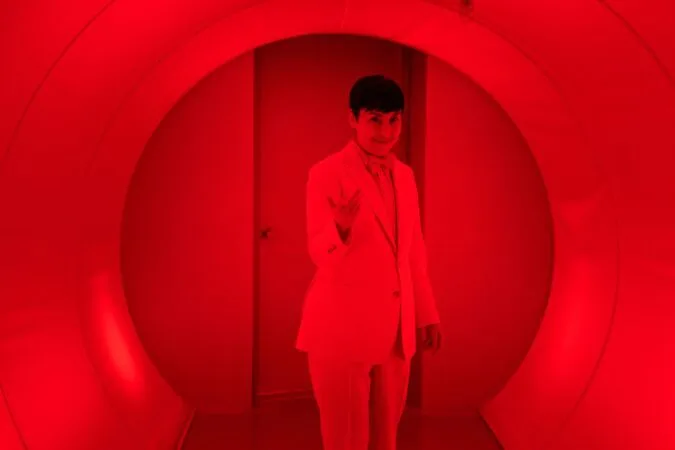
Framed by a Cabaret-like emcee (a delightfully manic Andrey Burkovskiy), the play-within-a-play stars Kon’s famous mother (the wonderful Zuzanna Szadkowski) and eventually lands him in Putin’s crosshairs after the 2022 invasion of Ukraine. Forced to flee, he lands in Bushwick, where he finds his muse (the magnetic Gus Birney), and a different kind of chokehold awaits.
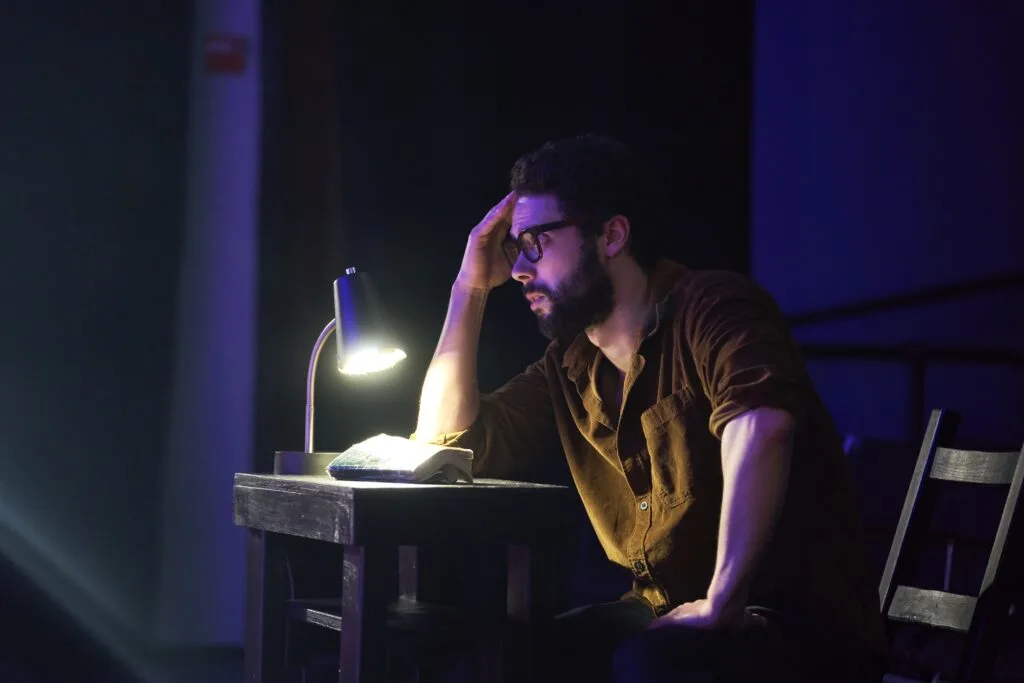
Having escaped state censorship, Kon discovers that to get his production of The Seagull produced in the States, there’ll be a commercial price to pay. Worse yet, he finds his American cast bogged down in politically correct semantics. To add to the drama, his friend Anton (Elan Zafir in a heartbreaking turn) is stuck in a gulag in Mother Russia. Artistic and emotional handcuffs come with his new “freedom,” and the result is both ironic and painfully sharp.
RELATED
‘Public Charge’ reclaims what diplomacy looks like, while we still remember
My main quibble is that it feels like two plays. Act I works as a prescient recent-history prologue, while Act II leans harder into Chekhovian parallels, making the earlier drama feel more like setup than a seamless whole. Still, Molochnikov’s direction has cohesiveness that grounds the evening with satire and sincerity. If you’re adapting a play about staging The Seagull, you’d better mind Chekhov’s famed gun principle. Seagull: True Story aims a few too many and forgets to fire half of them. But when it does pull the trigger, the shot rings loud, true, and absolutely worth the theatrical mayhem.
Chekhov would cry, then probably laugh.
Is ‘Seagull: True Story’ worth seeing?
3 out of 5 stars

Despite some structural hiccups, Seagull: True Story takes aim, and even if a few of Chekhov’s guns go unfired, the shot that lands is well worth your time.
- The Public Theater, 425 Lafayette Street, New York City
- Notable performers: Gus Birney, Andrey Burkovskiy, Eric Tabach
- Running time: Two hours and 30 minutes with one intermission
- Performances through May 3, 2026

It wants better content.
Have another minute?









Leave a Reply