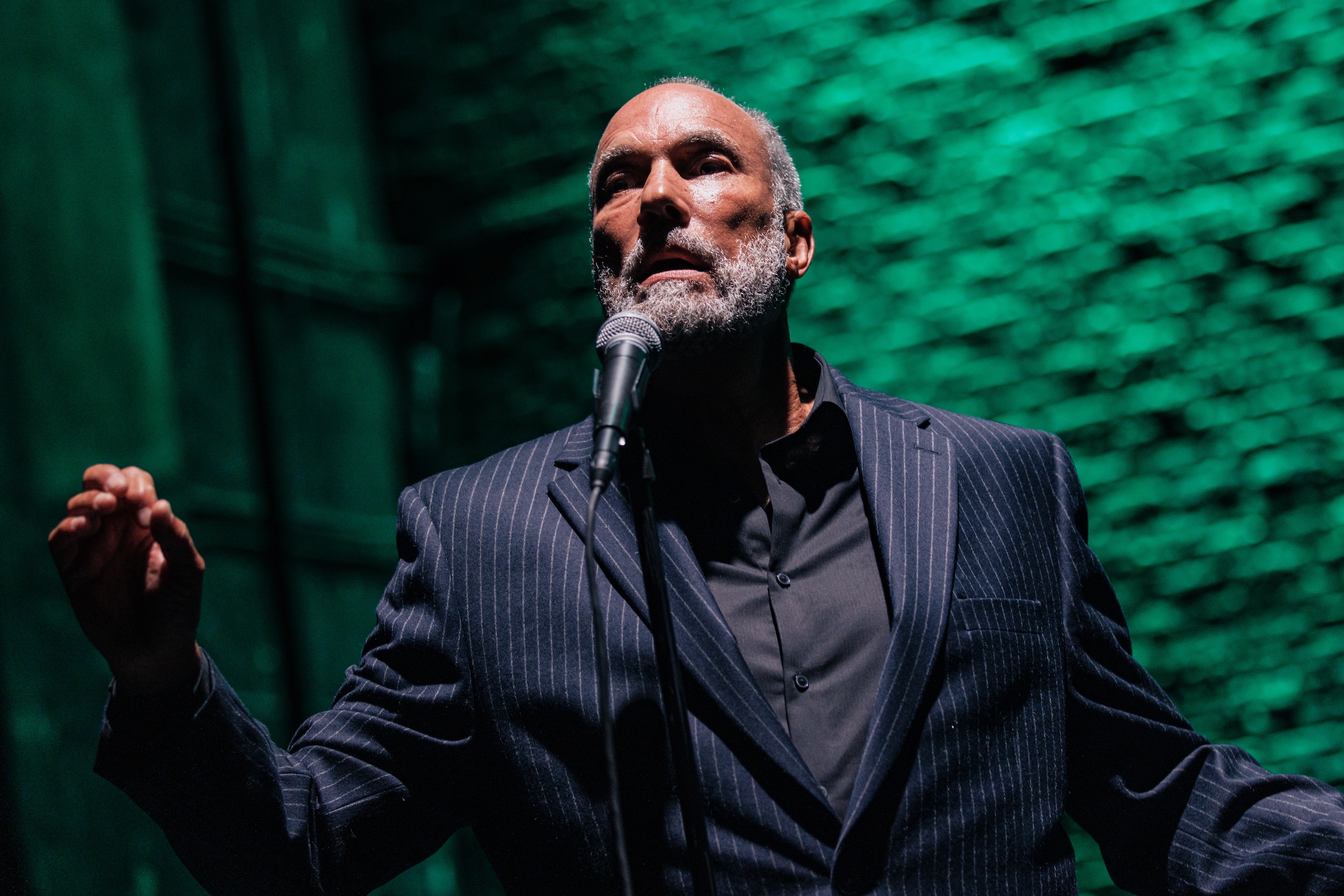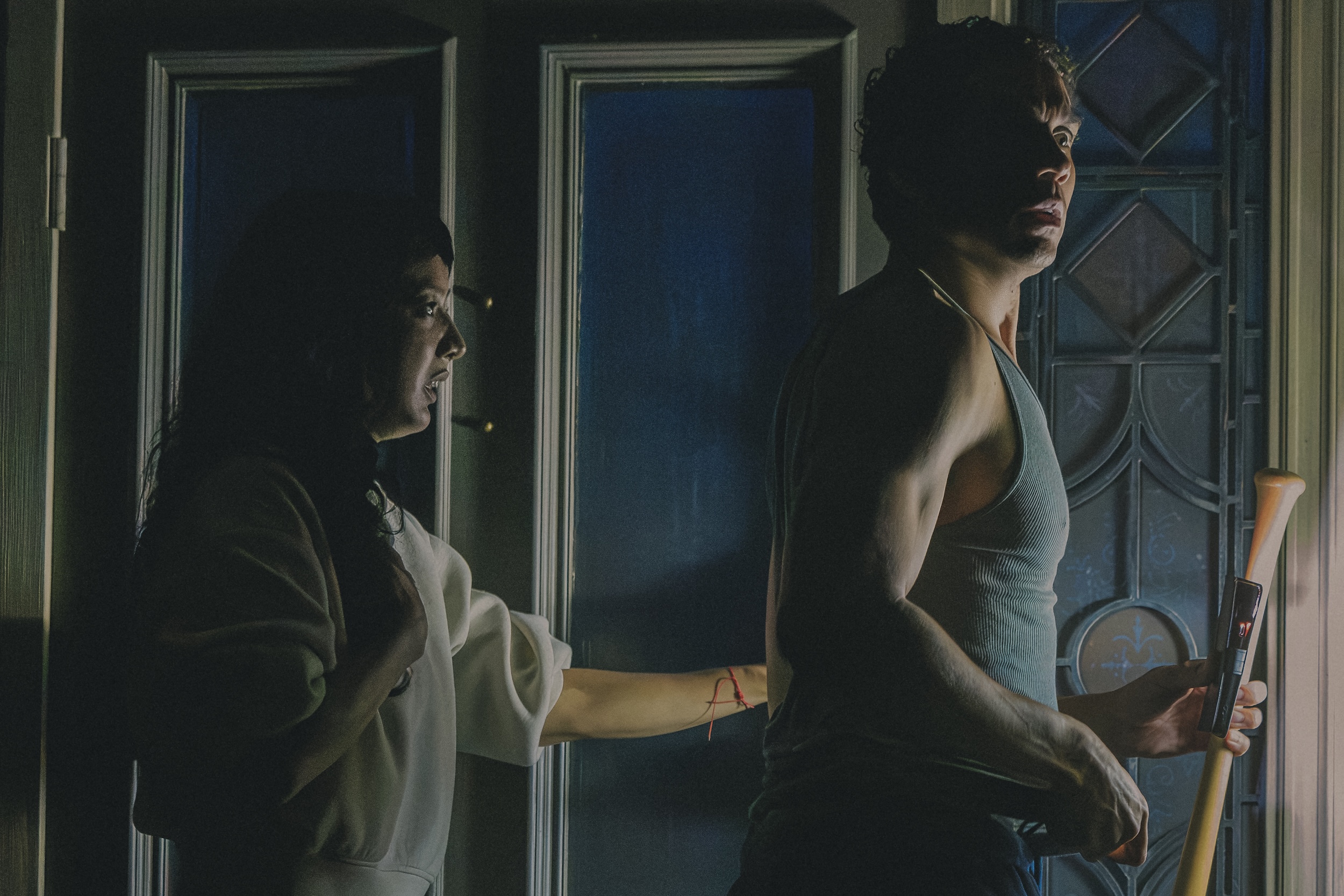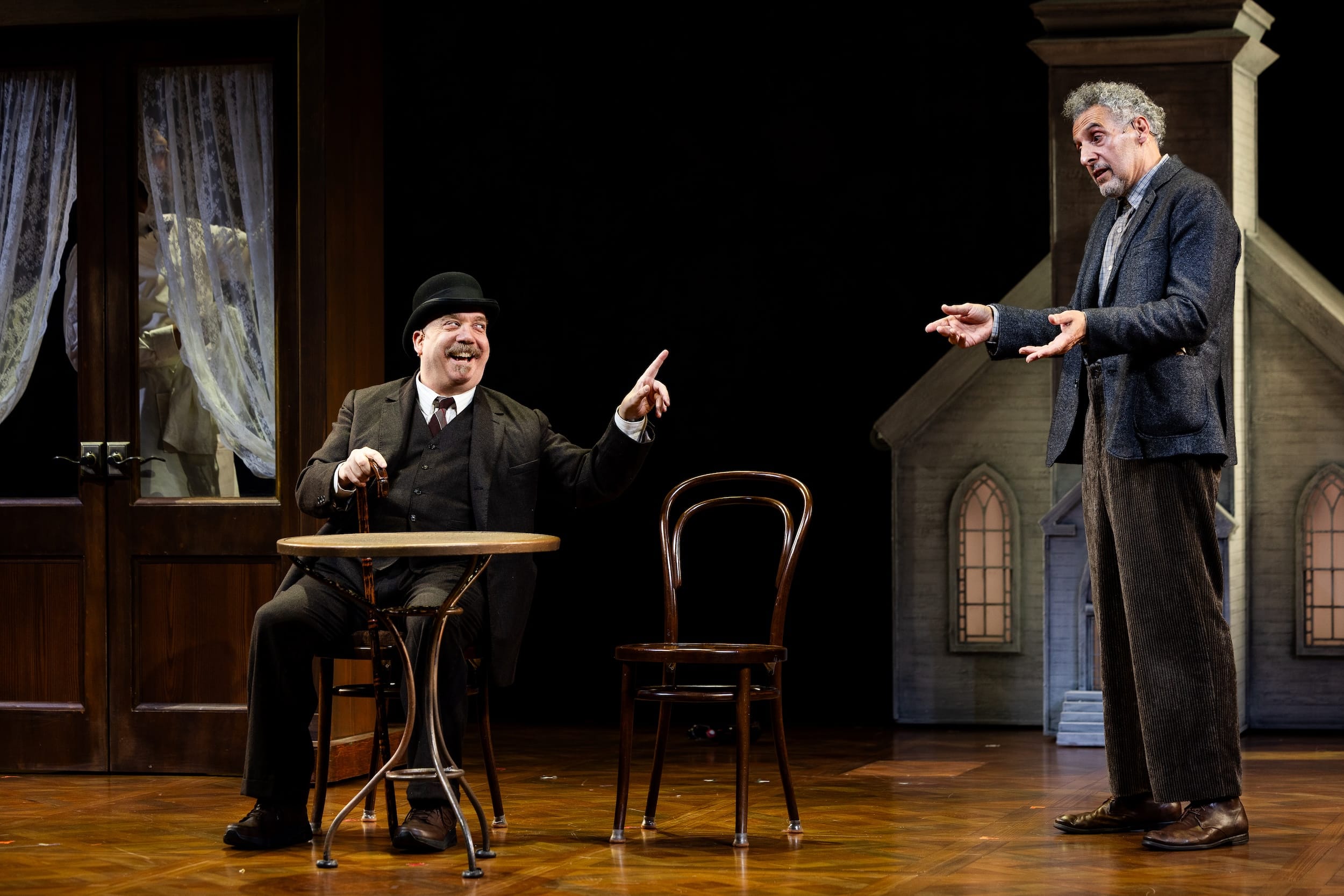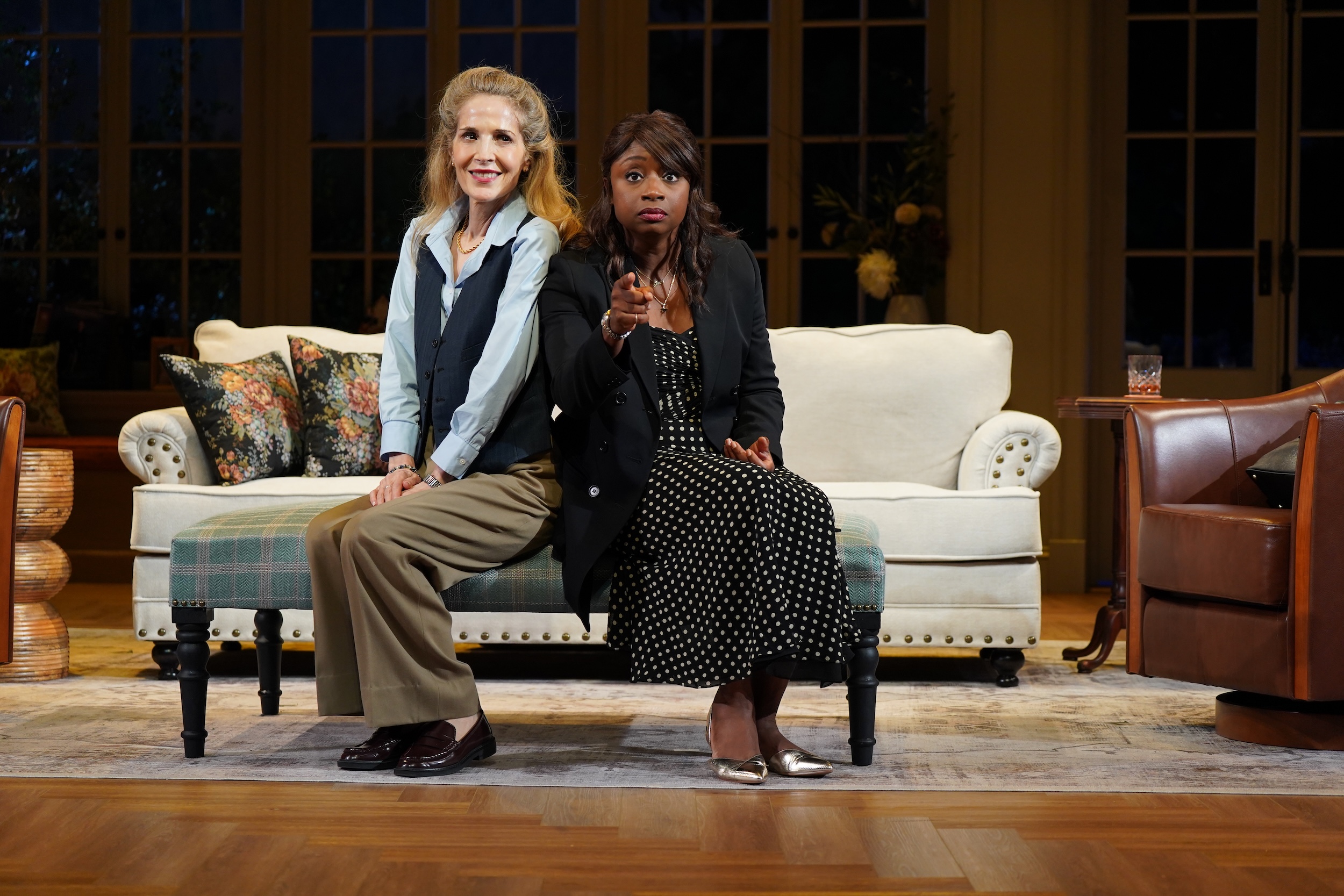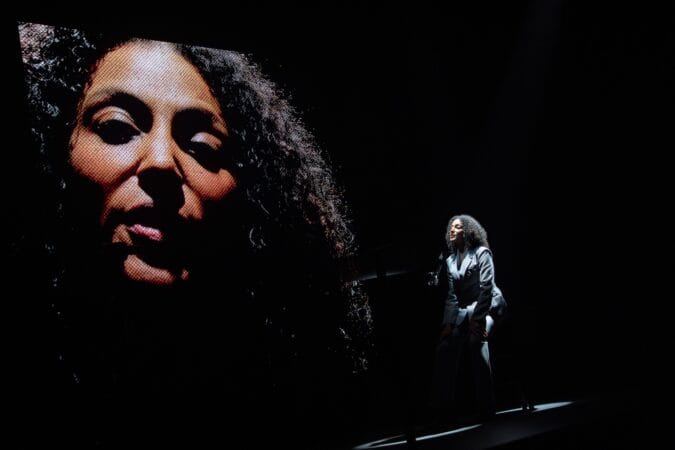

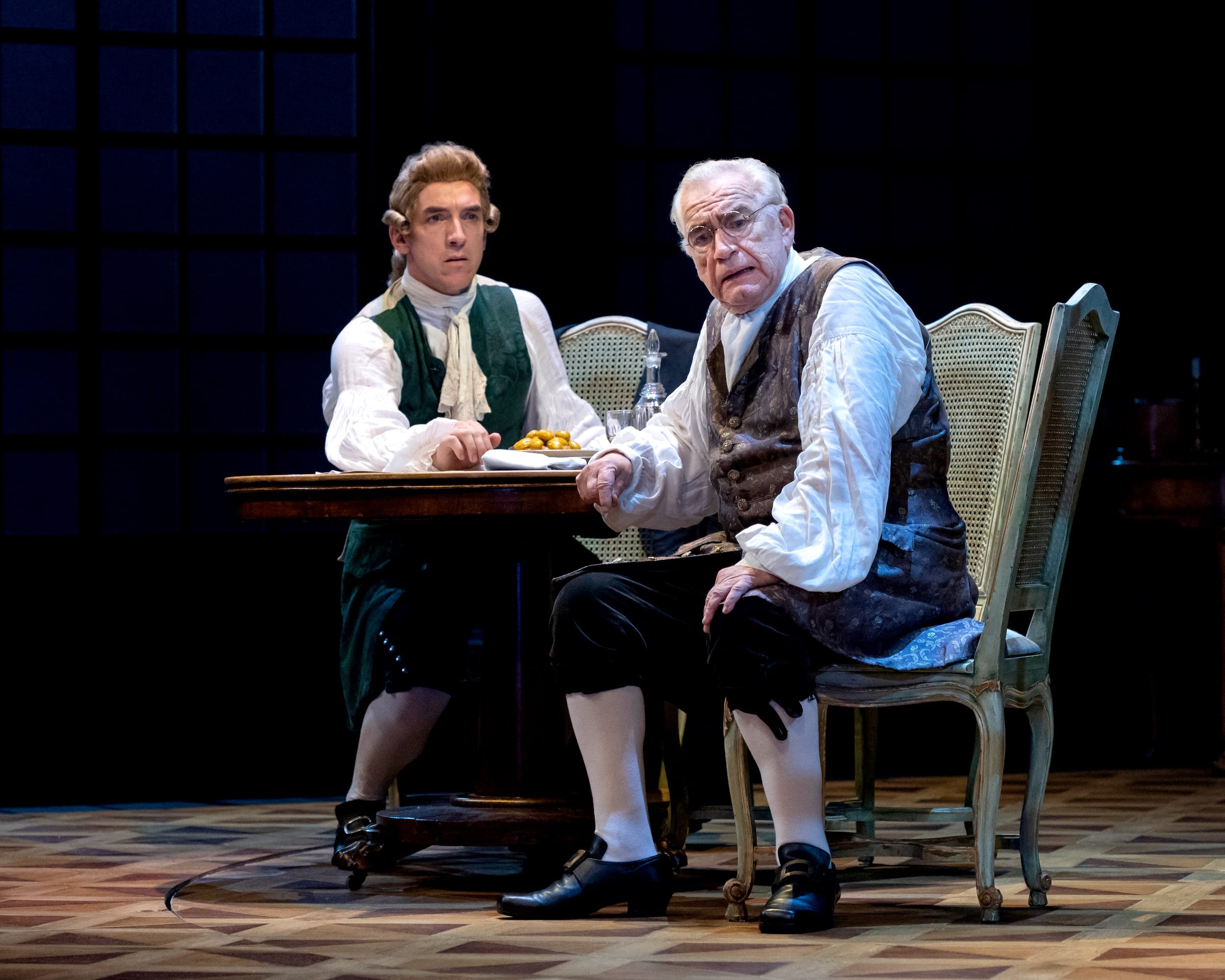
A fascinating question sits at the heart of The Score: Can art do more than speak truth to power? In Shakespeare Theatre Company’s U.S. premiere, Brian Cox (Succession) stars as 18th-century composer Johann Sebastian Bach, anchoring a visually stunning collision of art and politics.
Bach arrives at Frederick II’s court after witnessing the human cost of the king’s wars, where courtiers carefully package their criticism to avoid royal disfavor. Bach eventually sheds that restraint.
Playwright Oliver Cotton roots the encounter in history: Frederick famously invited the composer to improvise a fugue on a provided theme. Bach obliged, then went rogue when asked to expand it on the spot, using his own theme.

It wants better content.
Centuries old but still strikes a chord
Yes, The Score is a play about Bach. But music is the vehicle, not the destination.
Cotton is more interested in what happens when morality meets authority, and whether someone powerful enough to command everyone around him can still be challenged, changed, or understood.
Under Trevor Nunn’s direction, the contemporary parallels are difficult to miss. Stephen Hagan’s Frederick occasionally nods to President Trump’s distinctive speaking gestures, while the king talks of restoring Prussia’s glory and overhauling its civil service.
Arriving in Washington amid No Kings demonstrations, the threatened demolition of the Kennedy Center, and a looming triumphal arch the president says will house snipers and drones, audiences have plenty to relate to.
But The Score takes its time getting there.
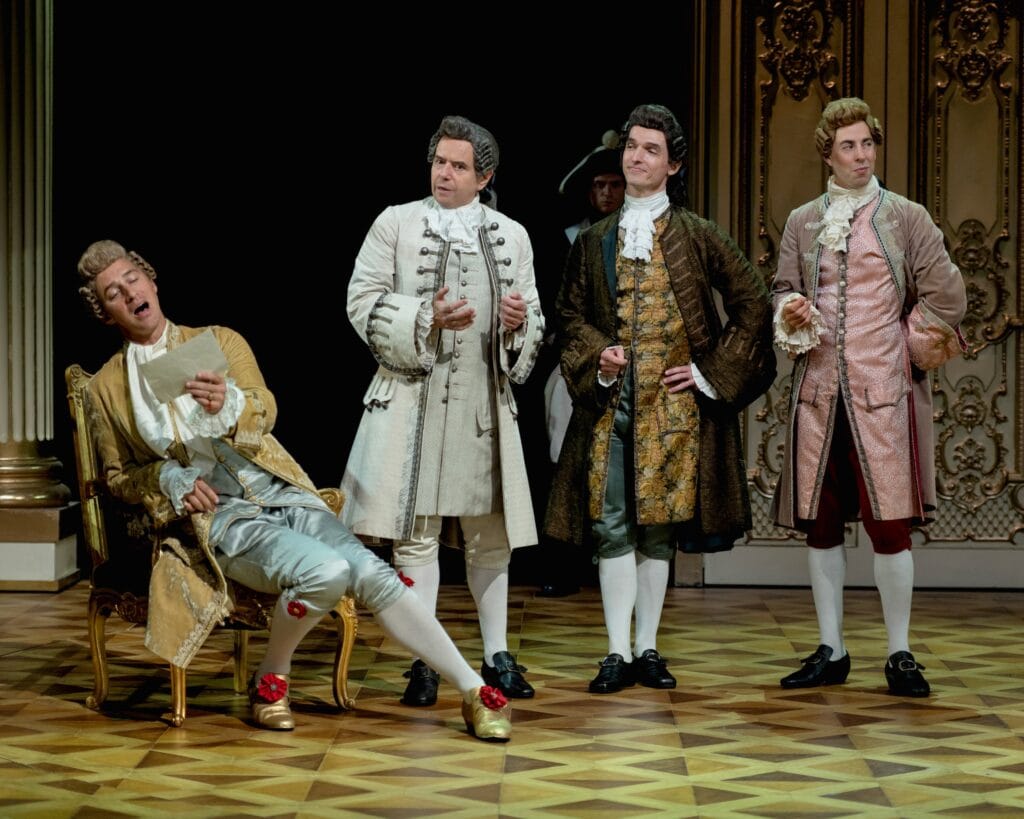
Act I moves slowly, mostly establishing Bach’s world and Frederick’s court. After intermission, the tension tightens. Bach isn’t simply trying to best Frederick. He’s forcing the king to sit with himself.
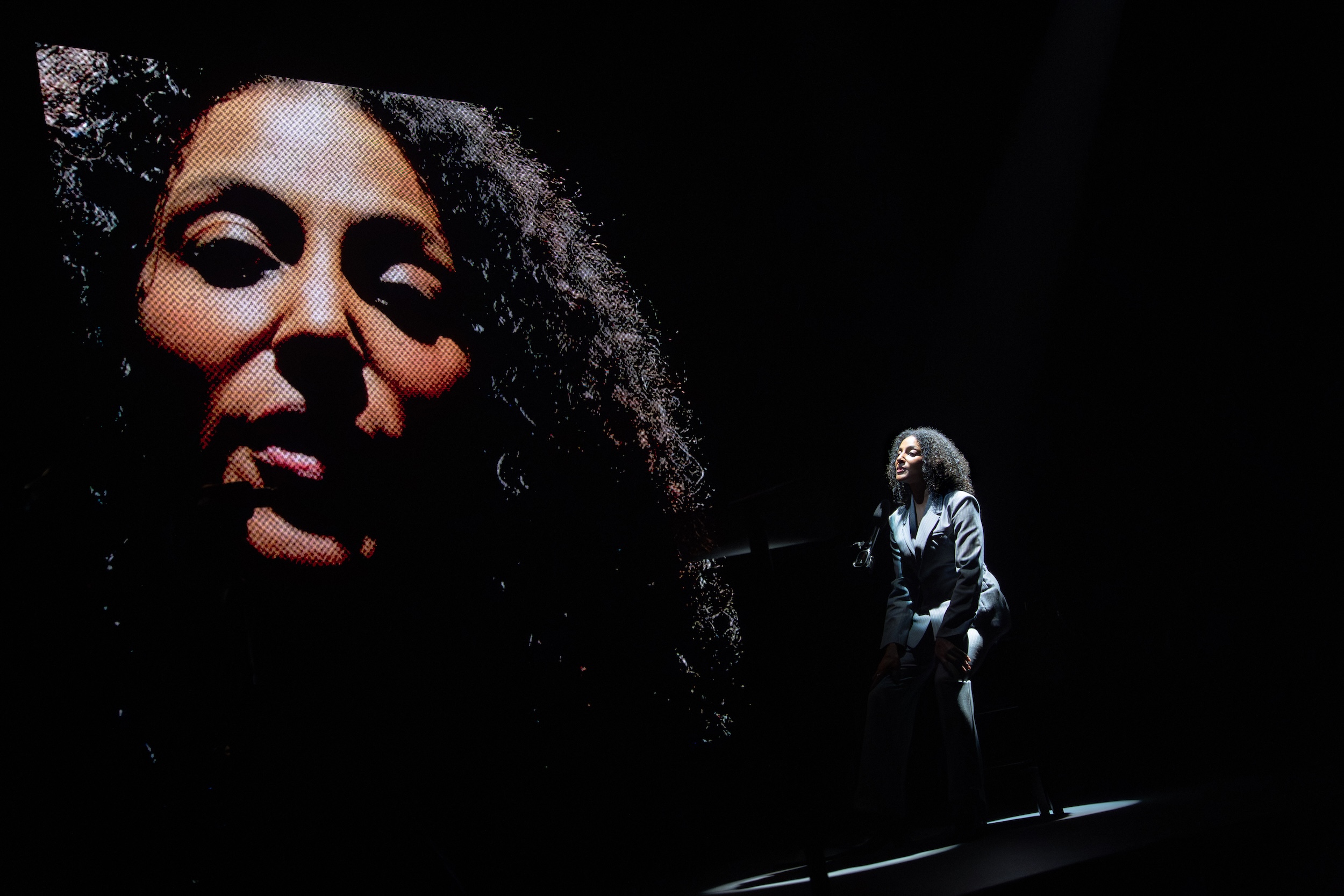
Robert Jones’ sumptuous scenic design captures the duality of its central characters. Bach’s Leipzig is spare and restrained, while Frederick’s palace overflows with larger-than-life artwork, ornate furniture, grand instruments, and visual excess. The revolving set turns each seamless transition into another reveal of the king’s wealth.
Once Bach pierces that grandeur, he gives Frederick more than a musical solution. He gives him a way to look inward. But Frederick returns to war. That may be The Score‘s final warning: Music can make a king hear himself. Changing his tune is a job only Frederick can do.
Is ‘The Score’ worth seeing?

Trevor Nunn stages a handsome, slow-building face-off in which Cox’s Bach forces a king to look inward, and the sting is how little changes once the music stops.
- Shakespeare Theatre Company, Harman Hall, 610 F Street NW, Washington, DC
- Notable performers: Brian Cox, Stephen Hagan
- Running time: Two hours and 45 minutes, including one intermission
- Performances through October 25, 2026
Have another minute?
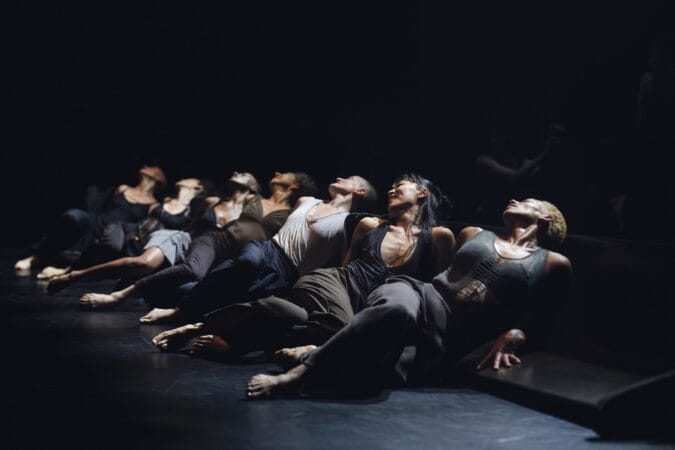
Dance – A season of grief continues with ‘The Surge,’ Sonya Tayeh’s ode to Sinéad O’Connor
Theater – The world has a group chat about America, and Sarah Jones brings the whole family to respond
Books – Comfort dulls the edge for David Sedaris in ‘The Land and Its People’